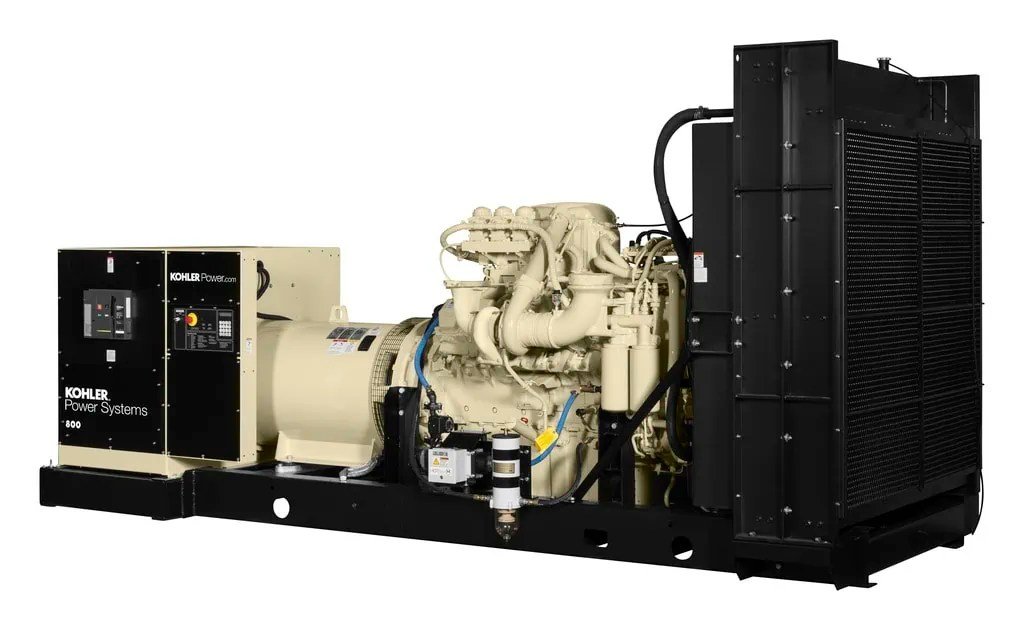
The hum of a generator isn't just noise; it's the sound of resilience, the assurance that life, work, and comfort don't grind to a halt when the grid falters. From keeping critical medical equipment running to illuminating a remote campsite, understanding the diverse Generator Types & Applications is key to mastering uninterrupted power. You wouldn't use a hammer to drive a screw, and similarly, picking the right generator requires more than just a passing glance.
This isn't about just keeping the lights on; it's about making an informed decision that aligns with your specific needs, budget, and even your environmental conscience. Let's power through the essentials.
At a Glance: Key Takeaways
- Generators convert mechanical energy into electricity using electromagnetic induction.
- Fuel-based options (diesel, gasoline, natural gas) are common for backup and continuous power, each with distinct pros and cons regarding cost, efficiency, and emissions.
- Renewable generators (hydro, wind, solar, hydrogen) offer sustainable, often cleaner alternatives, though their output can be intermittent or location-dependent.
- Specific use cases dictate specialized types like portable units for mobility, standby systems for automatic emergency power, and inverter generators for sensitive electronics.
- Critical concepts like rated power, maximum power output, and transfer switches (automatic vs. manual) are vital for proper sizing and operation.
- Sizing your generator correctly involves calculating both continuous (running) and surge (starting) wattage.
- Regular maintenance isn't optional; it's the lifeline of your generator's reliability and longevity.
The Heart of Power: How Generators Deliver Electricity
At its core, an electric generator is a marvel of physics, transforming mechanical energy into electrical energy. This isn't magic, but rather the principle of electromagnetic induction: moving a conductor within a magnetic field creates an electric current. Whether that mechanical energy comes from a spinning turbine, a roaring engine, or flowing water, the end goal is always the same: reliable electricity for homes, hospitals, industries, and critical infrastructure, especially when the main power grid takes an unexpected timeout.
Unpacking the Powerhouse: A Deep Dive into Generator Types
The world of generators is vast, each type engineered for specific scenarios. Let's break down the major players, understanding their strengths and where they shine brightest.
The Fuel-Fired Workhorses: Powering Through Combustion
These generators rely on burning fuel to create the mechanical energy needed to produce electricity. They're often the go-to for immediate, on-demand power.
Diesel Generators: The Unstoppable Giants
When you need serious, long-term power, diesel generators are often the answer. They burn diesel fuel to run an internal combustion engine, renowned for its:
- Durability: Built to last, often with thousands of hours of operational life.
- Fuel Efficiency: Generally more efficient than gasoline engines, especially under heavy loads.
- High Torque: Excellent for handling demanding applications and quickly responding to load changes.
You'll find these powerhouses in hospitals, large industrial complexes, data centers, and remote construction sites, providing both primary power and critical backup during outages. Their reliability and cost-effectiveness over extended periods make them a staple for prolonged operations under heavy loads.
Natural Gas Generators: The Cleaner, Quieter Option
If environmental concerns are high on your list, natural gas generators offer a compelling alternative. They typically produce substantially less pollution than their diesel and gasoline counterparts.
- Reduced Emissions: Burn cleaner, contributing less to air pollution.
- Whole-House Backup: Excellent choice for standby applications, often permanently plumbed into a home's natural gas line.
- Durability: With proper maintenance, they offer impressive longevity.
While they tend to have a higher initial cost and can be susceptible to very cold temperatures, their convenience (no need to refuel tanks manually) and environmental benefits make them a favorite for environmentally conscious homeowners and businesses seeking reliable, quiet standby power.
Gasoline Generators: Portable Power for Everyday Needs
Gasoline generators are often the first type that comes to mind for many, and for good reason. They are generally smaller, lighter, and more portable, making them incredibly versatile.
- Portability: Easy to move and deploy wherever power is needed.
- Lower Initial Cost: More accessible for new operators or those with smaller budgets.
- Versatility: Great for residential backup during short outages, recreational use (camping, tailgating), or powering tools at remote job sites.
However, they are less fuel-efficient than diesel, produce more emissions, and gasoline's shelf life can be a concern. They're best suited for short-term needs, providing power for lights, small appliances, or power tools.
Portable Generators: Power on the Go
Building on the flexibility of gasoline (or sometimes propane), portable generators are specifically designed for mobility. They offer a compact solution for emergency or recreational purposes. Just remember, these units require careful placement outdoors, away from windows and vents, and must be protected from weather. They should never be installed indoors or in garages due to the risk of carbon monoxide poisoning.
Steam & Gas Turbine Generators: Utility-Scale Powerhouses
For massive power generation, think steam and gas turbine generators. These are the giants of the energy world, commonly found in large-scale power plants and industrial applications.
- Steam Turbines: Use expanding high-pressure steam (generated by burning fossil fuels, nuclear fission, or even solar thermal) to spin a turbine.
- Gas Turbines: Combust fuel (natural gas, jet fuel, etc.) directly, producing hot gas that drives the turbine.
Both offer high efficiency and produce immense amounts of electricity for utility grids, often integrated with combined cycle technology for even greater efficiency.
Hydrogen Generators: The Future of Clean, On-Demand Power
Still less common for widespread commercial use, hydrogen generators represent a cutting-edge, incredibly clean energy solution.
- Unlimited & Non-Toxic: Hydrogen is abundant and safe.
- Clean Emissions: Produces only water vapor as a byproduct.
- High Energy Density: Yields more energy per kilogram than most other fuels.
While infrastructure is still developing, these are ideal for laboratories, homes, or businesses requiring uninterrupted power in isolated or sensitive environments, provided proper safety protocols for hydrogen handling are in place.
Green Power Solutions: Harnessing Nature's Energy
These generators tap into renewable resources, offering sustainable alternatives to fossil fuels.
Hydroelectric Generators: Constant Flow, Constant Power
Leveraging the sheer force of flowing water, hydroelectric generators convert kinetic energy into electricity using turbines.
- Sustainable & Clean: Zero emissions during operation.
- Continuous Power: Can produce large amounts of electricity constantly, as long as water flow is maintained.
- Stable Grid Power: A primary source for regional grids, offering reliable, base-load power.
You'll primarily find these in large dam installations, supplying immense, stable power without ongoing fuel costs.
Wind Turbines: Harvesting the Breeze
Wind energy is a powerful, renewable force. Wind turbines capture this energy as their blades turn a rotor, which in turn drives a generator.
- Renewable & Low Carbon: Significantly reduce carbon footprints.
- Scalable: From small residential models for supplementary power to massive turbines in sprawling wind farms.
The main challenge is wind availability; output fluctuates, often requiring integration with battery storage or other backup systems to ensure consistent supply.
Solar Generators: Silent Power from the Sun
Solar generators utilize photovoltaic (PV) panels to convert sunlight directly into electrical energy. Typically, they're paired with batteries for energy storage and inverters to convert DC power to usable AC.
- Silent Operation: No moving parts (beyond tracking systems), ideal for quiet environments.
- Zero Emissions: Completely clean during operation.
- Versatile: Excellent for off-grid living, emergency backup, and portable power needs (camping, outdoor events).
While portable options are popular for small-scale needs, whole-house solar systems can be expensive upfront and don't function in darkness or with low sunlight. However, advances in battery storage are continually improving their reliability.
Smart Power Management: Specialized Generator Systems
Beyond the fuel source, generators can also be categorized by how they deliver or manage power.
Inverter Generators: Clean Power for Sensitive Electronics
Inverter generators are a step above conventional portable units, especially for modern electronics. They produce power in three sophisticated phases:
- High-Frequency AC: Initially generate high-frequency alternating current.
- DC Conversion: Convert this AC to direct current.
- Clean AC Inversion: Re-invert the DC back to a stable, "clean" alternating current output.
This multi-step process results in a purer sine wave, making them ideal for sensitive electronics like laptops, smartphones, and medical devices. They're also often quieter and more fuel-efficient because they can adjust engine speed to match the load. Whether for whole-house use (as part of a larger system) or portable applications, their consistent, high-quality energy output is a major draw.
Standby Generators: Your Automatic Power Guardian
Often called "emergency power systems" or "backup generators," standby generators are designed for permanent installation and automatic operation.
- Permanent Power Protection: Designed to provide seamless backup for entire homes or businesses.
- Automatic Operation: Equipped with an automatic transfer switch (ATS) that senses utility power loss.
- Rapid Response: Kicks in within seconds of an outage, keeping critical systems (fire protection, elevator safety, medical equipment, standby lighting) running.
- Long Duration: Often connected to large external fuel tanks (diesel or natural gas) for 2+ days of continuous operation.
They are the ultimate "set it and forget it" solution for critical infrastructure and ensuring complete peace of mind during extended blackouts.
Permanent Magnet Generators: Efficiency Through Simplicity
These generators forgo traditional wound field coils in favor of permanent magnets to generate a magnetic field.
- Increased Efficiency: Eliminating the need for excitation current means less energy loss.
- Compact Design: Often smaller and lighter for a given output.
- Common Applications: Frequently found in renewable energy systems like wind turbines and hydroelectric systems where efficiency and compact design are highly valued.
They represent a more streamlined approach to power generation, especially where constant excitation isn't practical or desirable.
Decoding Generator Lingo: Essential Concepts You Need to Know
Understanding a few key terms will empower you to make smarter decisions when selecting or discussing generators.
Rated Power (Continuous Power) vs. Maximum Power Output (Surge or Peak Power)
These two terms are frequently confused but are fundamentally different:
- Rated Power (Continuous Power): This is the electrical power a generator can reliably produce over an extended period under normal operating conditions. Think of it as the sustainable output without overheating or stressing the engine. It's the number you should primarily rely on when calculating your generator's capacity for your daily needs.
- Maximum Power Output (Surge or Peak Power): This refers to the highest electrical power a generator can produce for short durations—typically a few seconds to a minute. This burst capacity is crucial for accommodating brief spikes in power demand, such as when motors (like those in refrigerators, air conditioners, or power tools) start up. These devices briefly draw significantly more power at startup than they do while running. Your generator's maximum power output must be able to handle these initial surges.
Example: If your refrigerator needs 200W to run but 1000W to start, your generator's rated power needs to be at least 200W (plus everything else running), but its maximum power output needs to handle that 1000W surge.
The Unsung Heroes: Automatic vs. Manual Transfer Switches
A transfer switch is the device that safely moves your home's electrical load from utility power to generator power. Choosing between automatic and manual largely boils down to convenience and budget.
- Automatic Transfer Switch (ATS): This sophisticated device operates automatically. It constantly monitors the utility power. When it detects a loss, it signals your standby generator to start, and once the generator is up to speed, the ATS seamlessly transfers the electrical load. When utility power returns, it switches the load back and signals the generator to shut down.
- Pros: Seamless operation, no manual intervention, rapid response (seconds), self-testing capabilities.
- Cons: More expensive, requires professional installation.
- Ideal for: Standby generators, critical systems, or those who want ultimate convenience and safety.
- Manual Transfer Switch (MTS): As the name suggests, this requires you to manually flip a switch to transfer power. When an outage occurs, you manually start your portable generator, then go to the MTS and physically switch from utility to generator power.
- Pros: Simpler, more cost-effective, can be used with portable generators.
- Cons: Requires manual intervention, brief power interruption during transfer, less convenient.
- Ideal for: Portable generators, those with a tighter budget, or situations where a brief power interruption is acceptable.
Finding Your Perfect Match: Key Considerations for Selection
Choosing the right generator isn't a one-size-fits-all decision. It's a strategic choice based on several critical factors. Before you make a purchase, it's worth exploring all your options, and you can always Shop our generator sale for competitive offerings.
What's Your Power Need? Sizing Your Generator Right
This is perhaps the most crucial step. An undersized generator won't power everything you need, while an oversized one is an unnecessary expense.
- List All Devices: Make a comprehensive list of every appliance, light, and electronic device you intend to power simultaneously.
- Find Running Wattage: For each item, note its "running wattage" (the power it uses continuously). This is usually on the appliance label or in its manual.
- Find Starting (Surge) Wattage: For motor-driven appliances (refrigerators, AC units, pumps), identify their "starting wattage." This is often 2-5 times their running wattage.
- Calculate Total Running Wattage: Sum up the running wattage of all devices you'll use at once.
- Identify Highest Single Surge: From your list, find the device with the highest starting wattage.
- Determine Required Generator Output:
- Your generator's rated power (continuous output) must exceed your total running wattage.
- Your generator's maximum power output (surge output) must be able to handle your highest single starting wattage when added to the running wattage of other already running appliances.
Quick Tip: It's often safer to round up slightly, giving yourself a buffer.
Fueling Your Decision: Availability, Cost, & Storage
The type of fuel your generator uses significantly impacts its practicality and operational costs.
- Diesel: Generally fuel-efficient, especially under heavy loads. Diesel fuel is relatively stable for long-term storage (with stabilizers), but it requires proper storage containers and can gel in extremely cold temperatures.
- Natural Gas: Offers the convenience of a direct line (for standby models), eliminating refueling. It's generally cleaner and often more affordable per therm, but its availability depends on your location's utility infrastructure.
- Gasoline: Widely available, but less fuel-efficient and has a shorter shelf life (requiring stabilizers for storage). Its volatility also necessitates careful handling and storage.
- Propane: Cleaner burning than gasoline, has a very long shelf life, and is stored in tanks that are easily swapped. However, it can be less energy-dense, meaning you might go through tanks faster for the same power output.
- Solar/Wind: No fuel costs, but dependent on environmental conditions (sunlight, wind speed). Requires battery storage for consistent power.
Where Will It Live? Application & Portability
Your primary use case will heavily influence your choice.
- Residential Backup: For occasional outages, a portable gasoline or propane generator might suffice. For whole-house, automatic, and seamless protection, a natural gas or diesel standby generator with an ATS is ideal.
- Commercial/Industrial: Heavy-duty diesel or natural gas standby units are common for critical operations.
- Recreational/Outdoor Events: Portable gasoline or inverter generators are perfect for camping, tailgating, or powering tools on a remote site.
- Off-Grid Living: Solar, wind, or hybrid systems often paired with robust battery banks are the go-to.
Budget & Long-Term Costs
Consider both the initial purchase price and the ongoing operational costs.
- Initial Cost: Portable gasoline generators are typically the least expensive upfront. Standby natural gas and diesel units, and full solar systems, represent a significant initial investment.
- Operational Costs: Factor in fuel consumption, fuel price fluctuations, and routine maintenance. A more fuel-efficient generator might cost more upfront but save you money in the long run.
Environmental Footprint & Noise
- Emissions: Natural gas, propane, solar, wind, and hydrogen generators are generally cleaner options. Diesel and gasoline produce more emissions.
- Noise: Inverter generators are often the quietest. Open-frame portable generators can be quite loud. Standby units are designed to be quieter than their portable counterparts, but still produce noise.
Keeping the Lights On: Essential Generator Maintenance
A generator is an investment in reliability, but only if it's properly maintained. Neglecting maintenance is like owning a fire extinguisher but never checking if it's charged – you're in for a nasty surprise when you need it most.
- Consult the Manual: Always, always start here. Your manufacturer's manual has specific instructions and schedules tailored to your model.
- Visual Inspections: Regularly check for wear and tear, loose connections, leaks (fuel, oil, coolant), or any visible damage.
- Oil & Filters: Change engine oil and replace oil and air filters at recommended intervals (e.g., every 50-100 hours of operation or annually). Dirty oil can drastically reduce engine life.
- Fuel System: Ensure a clean fuel system. Use fresh, stabilized fuel for gasoline generators, and check for sediment in diesel tanks.
- Battery Inspection: Check the starter battery for corrosion on terminals and proper electrolyte levels (if applicable). Keep it charged.
- Exercise the Generator: This is critical! Run your generator monthly for 15-30 minutes under a light load. This keeps components lubricated, prevents fuel from stagnating, and ensures it's ready when needed.
- Cooling System: For liquid-cooled units, check coolant levels and inspect for leaks or blockages in the radiator fins.
- Electrical Connections: Inspect all electrical connections for tightness and corrosion.
- Voltage Output Test: Periodically test the voltage output to ensure it's within specifications.
- Cleanliness: Keep the generator clean, both exterior and interior components. Dust and debris can lead to overheating.
- Exhaust System: Inspect for leaks or blockages. A clear exhaust is crucial for safety and performance.
- Maintenance Log: Keep a detailed record of all maintenance performed. This helps track schedules and identify potential issues.
- Professional Service: For complex tasks or annual inspections, especially for standby units, consider professional servicing.
- Emergency Kit: Have spare parts like oil, filters, and spark plugs on hand.
Common Questions & Clarity Calls
Let's clear up some common misconceptions about generators.
"Can I run a portable generator indoors or in my garage?"
Absolutely NOT. Portable generators produce deadly carbon monoxide (CO) gas, which is odorless and colorless. Running them indoors, in a garage, or near windows/vents can lead to CO poisoning, which can be fatal. Always operate them outdoors in a well-ventilated area, at least 15-20 feet from any building openings.
"What exactly does 'clean energy' mean for an inverter generator?"
"Clean energy" in this context refers to the quality of the alternating current (AC) electricity produced. Conventional generators produce a "dirty" or "noisy" power wave, which can have voltage fluctuations and distortions. An inverter generator produces a pure sine wave, which is a stable and consistent electrical current, virtually identical to the power you get from the utility grid. This clean power is essential for sensitive electronics that can be damaged by voltage spikes or unstable current.
"Are solar generators truly 'whole-house' solutions?"
While solar technology is rapidly advancing, a fully independent "whole-house" solar generator system capable of powering an entire home for an extended period (especially during multiple cloudy days or high consumption) typically requires a significant investment in a large solar array and a substantial battery bank. Many residential solar setups are tied to the grid and serve more as power supplements or short-term backup. Portable solar generators are excellent for specific appliances or camping, but rarely sufficient for an entire household's needs.
"Do all generators need an Automatic Transfer Switch (ATS)?"
No. Only permanently installed standby generators require an ATS for their automatic function. Portable generators are typically connected manually via extension cords or a manual transfer switch to a dedicated inlet box, which then routes power to specific circuits in your home. The choice depends on your budget, desired convenience level, and how critical continuous power is for your application.
Your Next Step to Reliable Power
You've now got a solid understanding of the diverse generator types, their specific applications, the essential technical concepts, and the critical maintenance required to keep them purring. Whether you're looking to safeguard your home against outages, power your next adventure, or ensure industrial continuity, the right generator is out there.
Armed with this knowledge, you're ready to make an informed decision. Start by accurately assessing your power needs, weighing the pros and cons of different fuel types, and considering the long-term investment in maintenance. Don't let uncertainty leave you in the dark; take control of your power future.