Navigating the world of backup power can feel like a maze, especially when you're looking for the best value. Getting caught without power is certainly no fun, but with the right generator, you can keep your lights on, appliances humming, and peace of mind intact. If you’re actively exploring Generator Sales, Deals & Where to Buy, you're poised to make a smart investment, and this guide will walk you through finding the perfect power solution without breaking the bank.
This isn't just about snagging a discount; it's about understanding what you need, when to buy it, and from whom, ensuring your purchase truly empowers you.
At a Glance: Your Generator Buying Cheat Sheet
- Timing is Key: Major sales often occur during off-peak seasons (late spring/early summer), around holidays (Black Friday, Prime Day, Memorial Day), and end-of-year clearances.
- Know Your Needs: Before looking at deals, determine your required wattage, preferred fuel type, and whether you need portability or a permanent standby solution.
- Diverse Retailers: Big-box stores like Home Depot and Costco offer convenience and competitive pricing, while online specialty stores provide vast selections and expert advice.
- Beyond the Price Tag: Always factor in warranty, return policies, installation costs (for standby units), and ongoing maintenance expenses.
- Read Reviews: Don't just trust the advertised deal; consult independent reviews for real-world performance and reliability insights.
Why Invest in a Generator? Understanding Your Power Play
A generator isn't just a luxury; for many, it's a necessity. Whether you live in an area prone to harsh weather and frequent power outages, run a home business that can't afford downtime, or enjoy off-grid adventures, a reliable power source is invaluable.
Think about the consequences of a sustained outage: spoiled food, frozen pipes, lack of heating or cooling, inaccessible medical equipment, or inability to charge essential devices. A generator acts as your personal power grid, kicking in when the main one falters. But choosing the right one requires a bit of homework.
Decoding the Generator Market: How Sales and Deals Work
Just like cars or appliances, generators have their sales cycles. Understanding these patterns can save you hundreds, even thousands, of dollars.
The Best Times to Hunt for Bargains
- Off-Season Savings: For home standby generators, the best deals often pop up in the late spring and early summer. Why? Because most people think about backup power in the fall and winter, right before peak storm season. Retailers often clear out inventory during the quieter months to make room for new models.
- Holiday Hook-Ups: Keep an eye out for major holidays. Memorial Day, Labor Day, Black Friday, and Cyber Monday are prime times for significant discounts on a range of models, both portable and standby.
- End-of-Year Clearances: As the year wraps up, retailers and manufacturers want to liquidate older inventory to make way for the next year's models. This can lead to deep discounts on perfectly capable generators.
- Manufacturer Rebates: Sometimes, the "deal" isn't a direct price cut but a manufacturer rebate. You pay full price upfront, then submit a claim for money back. Always read the fine print on these!
- Bundle Deals: Look for packages that include essential accessories, like transfer switches, heavy-duty extension cords, or maintenance kits, at a reduced combined price.
Spotting a True Deal vs. a Marketing Gimmick
Not every "sale" is created equal. Be wary of inflated original prices or minor discounts that aren't truly significant. Compare the advertised price against the generator's average market price over several months. Tools like online price trackers can be invaluable here. A good deal often means a 15-25% reduction or a substantial free accessory package.
Choosing Your Power Partner: Key Factors Beyond Price
Before you get swept up by a shiny sale tag, you need to know what kind of generator actually fits your life. A deal on the wrong generator is no deal at all.
Power Output: How Many Watts Do You Really Need?
This is arguably the most critical decision. Generators are rated by their wattage: running watts (continuous power) and starting watts (a temporary surge of power needed to start motor-driven appliances).
- Whole-Home Backup: If you want to power your entire house, you'll need a large standby generator, typically 10,000 to 20,000+ running watts. These require professional installation.
- Essential Circuits: To keep critical appliances running (fridge, freezer, furnace fan, some lights, phone chargers), a 5,000 to 7,500-watt home standby generator might suffice.
- Portable Needs: For camping, tailgating, or powering a few tools, 2,000 to 4,000 watts from portable generator options is often plenty.
- RV or Sensitive Electronics: Inverter generators, usually in the 2,000 to 4,000-watt range, are ideal for these applications due to their clean power output and quieter operation.
Pro Tip: Make a list of all the appliances you want to power simultaneously. Find their running and starting wattages (often on a sticker or in the manual). Add up the running watts for all items, then identify the single appliance with the highest starting wattage. Add that highest starting wattage to your total running watts, and that's your estimated minimum generator size. When comparing current generator pricing, remember bigger usually means more expensive.
Fuel Type: What Keeps It Running?
- Gasoline: Most common, widely available, but less stable for long-term storage and can be challenging to transport and store in large quantities.
- Propane (LPG): Burns cleaner than gasoline, stores indefinitely without degradation, and can be easily sourced in tanks. Often a good choice for dual-fuel units.
- Dual Fuel (Gas/Propane): Offers flexibility. If one fuel source is scarce, you have a backup.
- Diesel: More fuel-efficient, durable, and safer to store than gasoline, but diesel generators are typically more expensive and heavier.
- Natural Gas: Only for standby generators, directly connects to your home's gas line. Offers continuous power without refueling, but installation is more complex and costly.
- Battery/Solar Generators: Offer clean, silent power. Excellent for small devices, sensitive electronics, or as a supplement. Limited power output and typically higher initial cost, but zero fuel costs. Great for quiet generator models in certain applications.
Noise Levels: Hear Me Out (or Not)
Generators can be loud! Measured in decibels (dB), a typical construction-site generator might hit 75-85 dB (like a vacuum cleaner or noisy restaurant). Inverter generators are significantly quieter, often ranging from 50-65 dB (like a normal conversation). If your generator will be close to your living space or neighbors, investing in a quieter model is worth every penny.
Portability vs. Standby: Where Does It Live?
- Portable Generators: Designed to be moved, usually with wheels and handles. Great for job sites, camping, tailgating, or temporary home backup. They require manual setup and fueling during an outage.
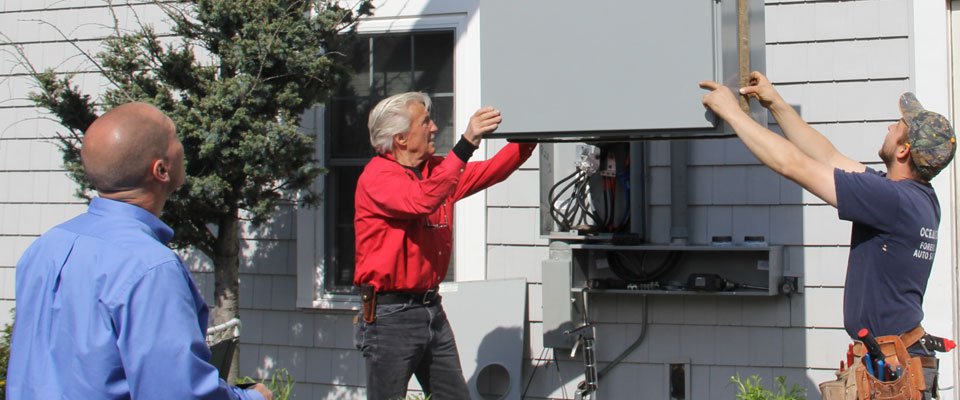
- Standby Generators: Permanently installed outside your home, similar to an AC unit. They connect to your electrical system via an automatic transfer switch and kick on automatically when power fails. More expensive upfront, but offer ultimate convenience and peace of mind.
Essential Safety Features
Look for generators with:
- Automatic Low-Oil Shutoff: Protects the engine from damage.
- Circuit Breakers: Prevents overloading.
- GFCI Outlets: Essential for wet or outdoor conditions.
- CO Sensor (Carbon Monoxide): A critical safety feature that shuts down the generator if CO levels become dangerous.
Brand Reputation and Warranty
Stick with reputable brands known for reliability and customer service (e.g., Generac, Honda, Champion, Westinghouse, Predator, Ryobi). A good warranty (3-5 years is common for quality units) provides peace of mind. Check what the warranty covers and what voids it.
Where to Buy a Generator: Your Options Explored
Once you know what you need, the next step is where to find it. Different retailers excel in different areas.
Big-Box Retailers: Convenience and Competitive Prices
- The Home Depot: A go-to for many, Home Depot offers a vast selection of portable and standby generators from numerous brands. They frequently run sales, particularly around holidays and during prime hurricane season preparations. You can often find a good range of smaller, more compact generators here, too. Their strength lies in physical stores where you can see models, and they often offer installation services for standby units.
- Our Ground Truth: Home Depot's online presence,
/b/Outdoors-Outdoor-Power-Equipment-Generators/N-5yc1vZbx8l, indicates a strong focus on generators within their outdoor power equipment category, suggesting a wide array of choices. - Costco: Known for its bulk pricing and member benefits, Costco can be a surprisingly good place for generators. They often carry popular brands like Generac or Champion at competitive price points. While their selection might be narrower than Home Depot, the value can be excellent, especially during special member-only savings events.
- Our Ground Truth: Costco's dedicated generator page,
costco.com/generators.html, confirms their direct focus on this product category, indicating a curated but potentially high-value inventory. - Lowe's: Similar to Home Depot, Lowe's offers a wide array of brands and models, with frequent promotions. They also provide installation services for standby generators.
Online Marketplaces & Specialty Stores: Selection and Expert Advice
- Amazon: For portable generators, especially smaller inverter models, Amazon offers unparalleled selection and competitive pricing, often with fast shipping. Reading customer reviews here is crucial.
- Specialized Generator Retailers (e.g., Electric Generators Direct, Absolute Generators): These online-only stores specialize exclusively in generators. They often have the widest selection, including industrial-grade units, and their sales teams are typically highly knowledgeable. They can be excellent for finding specific models or for detailed technical advice. Shipping for large units can be a consideration.
- Manufacturer Websites: Sometimes, buying directly from the manufacturer (e.g., Generac, Honda Power Equipment) can yield exclusive deals, rebates, or extended warranties, particularly on new models.
Local Dealers and Service Centers: The Full-Service Route
For large standby generators, local authorized dealers offer a distinct advantage. They provide:
- Site Assessment: They'll help you determine the correct size and placement for your home.
- Professional Installation: Crucial for safety and warranty compliance.
- Permitting: They often handle the complex local permitting process.
- Maintenance & Service: On-going maintenance plans and readily available parts and technicians.
While initial purchase prices might sometimes be higher than big-box stores, the comprehensive service package can be invaluable, especially for a complex investment like a whole-home standby unit.
Considering a Used Generator? Proceed with Caution
Buying a buying a used generator can offer significant savings, but it comes with risks.
- Pros: Lower cost, potentially immediate availability.
- Cons: No warranty, unknown maintenance history, potential hidden issues, shorter lifespan.
- Inspection Checklist: If you go this route, insist on seeing it run under a load, check oil levels and engine condition, inspect for leaks, look at the hour meter, and ensure all outlets work.
Decoding the Fine Print: Warranty, Returns, and Service
A generator is a significant investment. Don't let a great sale price overshadow the importance of after-sale support.
The Importance of a Solid Warranty
A good warranty protects you from manufacturing defects. Most quality portable generators offer 2-3 years, while standby units typically come with 3-5 years. Read the warranty document carefully to understand:
- What's Covered: Parts and labor, specific components.
- What Voids It: Using incorrect fuel, improper maintenance, DIY installation of a standby unit.
- Service Network: Where can you get it repaired under warranty? Is there an authorized service center near you?
Return Policies
Understand the retailer's return policy before you buy.
- Timeframe: How many days do you have to return it?
- Condition: Must it be unused, or can it be returned if you've fueled and tested it?
- Restocking Fees: Especially for large, heavy items, restocking fees can apply.
Parts and Service Availability
Generators, like cars, require maintenance. Can you easily find replacement parts (spark plugs, air filters, oil filters) for your chosen model? Are there local authorized service technicians if you need professional help beyond basic maintenance? Check online forums or ask local hardware stores about parts availability for specific brands.
Budgeting for Power: Beyond the Purchase Price
The sticker price is just the beginning. Factor in these additional costs when planning your generator purchase.
- Installation (for Standby Generators): This is a major expense, typically ranging from $3,000 to $10,000+, depending on the generator size, your home's electrical setup, and local labor costs. This includes the generator pad, electrical work, gas line connection, and permits.
- Fuel Costs: Gasoline prices fluctuate, and a large portable generator can consume several gallons per hour under load. Propane or diesel also have ongoing costs. Factor in how much you might use it during an extended outage.
- Maintenance: Like any engine, generators need regular oil changes, filter replacements (air, fuel), and spark plug checks. Standby units often require annual professional servicing.
- Accessories: Don't forget essential accessories like a heavy-duty extension cord (rated for outdoor use and appropriate gauge), a cover, fuel stabilizers, or a transfer switch for portable units connecting to your home's electrical panel.
Common Pitfalls to Avoid When Buying a Generator
Even with the best intentions, it's easy to make missteps. Here's what to watch out for:
- Underestimating Your Power Needs: The most common mistake. Don't just guess. Doing the wattage calculation prevents you from buying a generator too small to run your essentials.
- Ignoring Noise Levels: A loud generator can quickly become a nuisance to you and your neighbors, especially during extended outages. Prioritize inverter models for quieter operation.
- Neglecting Safety: Never run a portable generator indoors or in an attached garage. Carbon monoxide is odorless, colorless, and deadly. Ensure proper ventilation and consider models with built-in CO shutoff sensors.
- Buying Solely on Price: A super cheap generator might be unreliable, inefficient, or lack crucial safety features. It's an investment in peace of mind; prioritize quality.
- Poor Installation for Standby Units: DIY installation of a standby generator is not recommended unless you are a licensed electrician or plumber. Incorrect installation can be dangerous, void your warranty, and violate local codes.
- Waiting for a Crisis: Prices often surge, and availability plummets right before or during a predicted major storm or widespread outage. Plan ahead and buy when demand is low.
Smart Shopping Strategies for Your Next Generator
You're armed with knowledge, now put it into action.
- Do Your Research: Start well before you need a generator. Understand the types, features, and brands.
- Compare, Compare, Compare: Use online tools to compare prices across different retailers. Don't just check one store. Look at the total cost, including shipping and potential installation.
- Read Reviews (Lots of Them): Beyond the star rating, read detailed customer reviews and independent expert reviews. Look for consistency in feedback regarding reliability, noise, fuel efficiency, and customer service.
- Don't Wait for the Storm: Purchase your generator during the off-season or well in advance of known severe weather periods. You'll find better selection and pricing.
- Consider Bundled Offers: Sometimes retailers or manufacturers will bundle a generator with essential accessories like a transfer switch or a cover at a reduced price. These can be genuine money-savers.
- Ask Questions: If buying from a local dealer or even a big-box store, don't hesitate to ask sales associates about specific features, warranty details, and any current promotions.
Your Power Playbook: Next Steps to Secure Your Generator
Finding the right generator at the right price is a rewarding feeling. By understanding your needs, timing your purchase strategically, and knowing where to look, you can make an informed decision that brings lasting security and convenience.
Now that you're equipped with this comprehensive guide, take the first step: determine your exact wattage requirements. Then, keep an eye out for those seasonal sales and holiday deals. Don't forget to factor in installation and long-term costs. With a little planning, you'll be ready for anything, knowing your power needs are well in hand. Ready to explore your options? View all generators for sale and find the perfect match for your home or next adventure.