Powering Up Peace of Mind: Your Essential Guide to Generator Installation, Safety & Maintenance
In a world increasingly reliant on electricity, losing power isn't just an inconvenience; it can disrupt daily life, impact businesses, and even pose safety risks. That's where a reliable generator steps in, offering a robust backup to keep your home or operations running smoothly. But owning a generator isn't a "set it and forget it" affair. To truly harness its power safely and effectively, you need a solid grasp of Generator Installation, Safety & Maintenance. This isn't just about avoiding hazards; it's about maximizing your investment and ensuring dependable performance when you need it most.
At a Glance: Your Quick Takeaways
- Size It Right: Match your generator's wattage to your specific needs, considering both constant and startup power demands.
- Outdoor Only: Always install and operate generators outdoors in a well-ventilated area, far from windows and doors, to prevent carbon monoxide poisoning.
- Professional Installation: For standby generators and transfer switches, hire a qualified, licensed electrician. DIY can be deadly.
- Grounding is Non-Negotiable: Ensure your generator is properly grounded to protect against electrical shock.
- Fuel & Fire Safety: Store fuel safely, clean up spills immediately, and keep a fire extinguisher nearby. Never refuel a hot generator.
- Follow the Schedule: Adhere strictly to manufacturer-recommended maintenance schedules for longevity and reliable operation.
- Regular Exercise: Run your generator regularly, even when not needed, to keep components lubricated and ready.
- Carbon Monoxide Detectors: Install CO detectors in your home as an essential layer of safety.
Choosing Your Power Partner: Picking the Right Generator
Before you even think about installation, the first crucial step is selecting the right generator for your needs. It's like choosing a vehicle – a compact car won't tow a trailer, and an overpowered truck isn't practical for daily errands.
Understanding Your Power Demands: Watts & Surges
Generators are rated by their wattage, which dictates how much electricity they can produce. This isn't a single number; you'll encounter two key ratings:
- Constant (Running) Wattage: This is the power your appliances need to operate continuously. To calculate this, list all the items you want to power simultaneously and sum their individual running wattages. Look for appliance labels or manuals for this information.
- Surge (Starting) Wattage: Many motor-driven appliances (refrigerators, AC units, pumps) require a burst of extra power, often 2-3 times their running wattage, to start up. Your generator's "surge rating" must exceed the highest start-up wattage requirement of any single appliance you plan to run. If you try to start a large appliance without sufficient surge capacity, you risk overloading the generator or failing to start the appliance.
Pro Tip: Always factor in a buffer. It's better to have a slightly oversized generator than one that struggles under load. If you're looking to upgrade or simply want to see what's out there, you can explore generator options that might suit your specific power needs.
Portable vs. Standby: Which is Right for You?
- Portable Generators: These are manually operated, fuel-powered units that provide power via extension cords. They're great for temporary needs, construction sites, camping, or powering essential circuits in a short outage. They require manual setup, fueling, and typically don't integrate directly into your home's electrical system without a transfer switch.
- Standby (Whole-Home) Generators: Permanently installed outside your home or business, these units are connected directly to your electrical system via an automatic transfer switch (ATS). When utility power fails, the ATS senses the outage, signals the generator to start, and automatically switches your home's power source. When utility power returns, the process reverses. They offer hands-free operation and can power entire homes, making them ideal for long-term outages or critical operations.
Fuel Types: Pros and Cons
- Gasoline: Common for portable generators, readily available, but has a shorter shelf life and can be less fuel-efficient for prolonged use.
- Propane: Cleaner-burning, longer shelf life, and can be stored in large tanks, making it popular for standby units. Less powerful than gasoline per gallon.
- Diesel: Highly fuel-efficient, durable, and common for larger industrial generators. Diesel fuel has good storage stability.
- Natural Gas: Offers unlimited run time (as long as the gas supply is uninterrupted) and integrates seamlessly into home utility. Requires a dedicated gas line. Exclusively for standby generators.
Matching Voltage Ratings
Ensure your generator's voltage output (e.g., 120V, 240V, or both) matches the voltage requirements of the equipment and appliances you intend to power. Most homes use 120/240V.
The Foundation: Generator Installation Done Right
Proper installation is paramount for both performance and safety. While portable generators have simpler setups, standby generators absolutely require professional expertise.
Unpacking and Initial Inspection
Upon receiving your generator, carefully unpack it and inspect for any shipping damage. Verify that all components listed in the manual are present. Double-check the rated amperage/wattage capacity against your planned loads. This initial check can save you headaches down the line.
Strategic Placement: Location, Location, Location
Where you place your generator is critical.
- Outdoors, Always: Generators produce exhaust fumes containing carbon monoxide (CO), an odorless, colorless, and deadly gas. Never operate a generator indoors, in a garage, basement, or any enclosed or partially enclosed space.
- Protective Enclosure: If it's a standby unit, it will come with a weather-resistant enclosure. For portable units, consider a specialized generator tent or canopy to protect it from rain and snow while maintaining proper ventilation.
- Unobstructed Airflow: Ensure the unit has plenty of clear space around it for cooling and ventilation. Blocked airflow can lead to overheating and reduced efficiency.
- Distance from Structures: Place the generator at least 15-20 feet away from your home, windows, doors, and vents. This helps prevent exhaust fumes from entering your living spaces. Position the exhaust outlet away from your home.
- Level, Stable Surface: The generator should sit on a flat, solid surface to prevent tipping and ensure stable operation. Concrete pads are ideal for standby units.
- Proximity: Install the unit close enough to its fuel supply (if external) and the transfer switch to minimize cable runs, but not so close as to compromise safety.
Grounding for Safety: An Absolute Must
Every generator's frame and external conducting parts must be properly grounded (earthed) to protect against electrical shock. Most generators come with a grounding lug or instruction for how to achieve this.
How it works: In the event of an electrical fault, grounding provides a safe path for current to dissipate into the earth, preventing dangerous voltage buildup on the generator's exterior. This is usually done by connecting the grounding lug to a grounding rod driven deep into the earth. If you're unsure, consult a qualified electrician.
Powering Up: Battery Installation
For generators with electric start (common on larger portables and all standby units), fully charge the starting battery before insertion. Connect the battery terminals according to the manufacturer's instructions, ensuring correct polarity (positive to positive, negative to negative) to avoid damage.
The Automatic Transfer Switch (ATS): Your Electrical Guardian
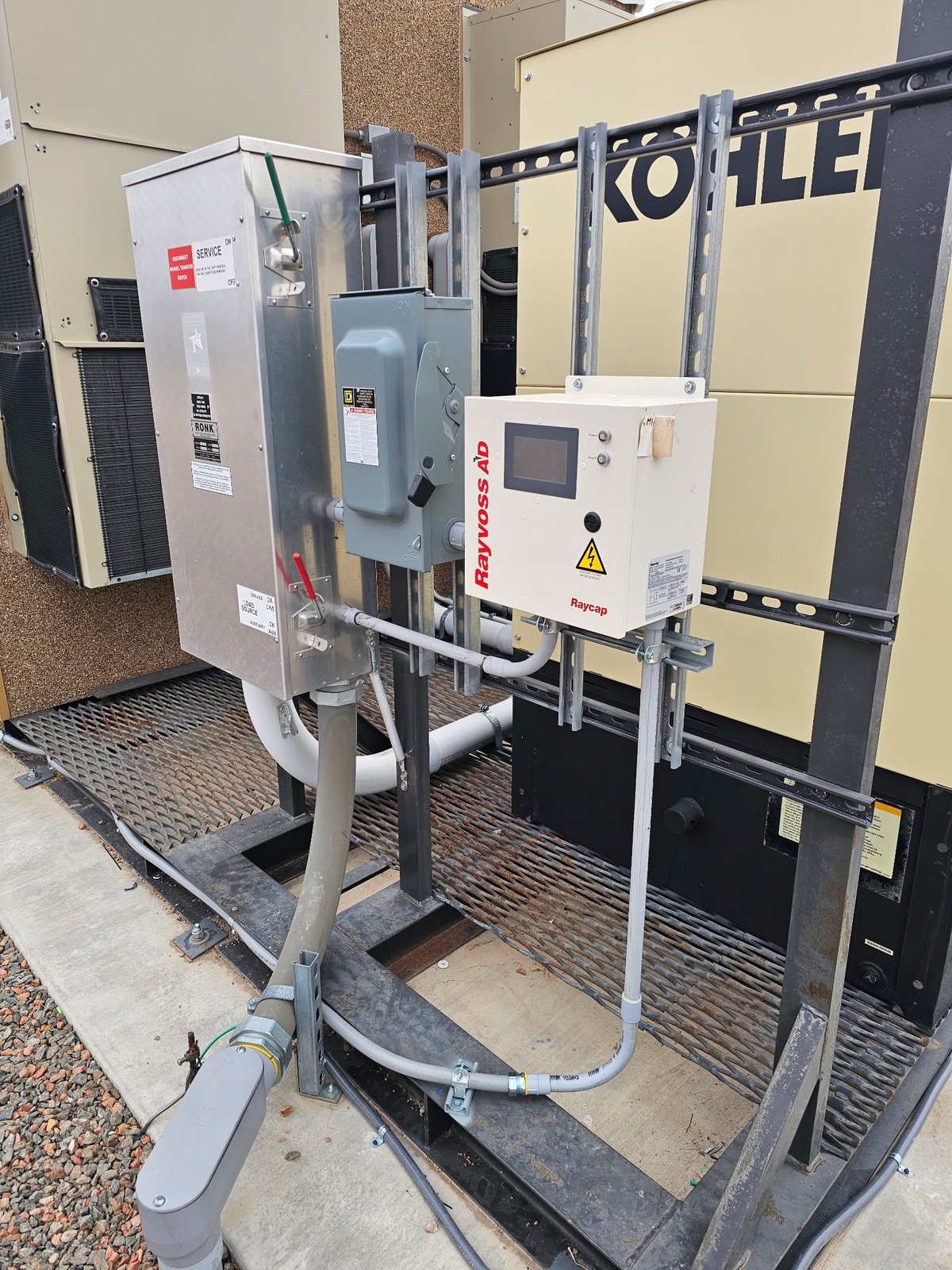
Connecting a standby generator to your home's electrical system is a complex task that always requires a licensed electrician. This connection is made through an Automatic Transfer Switch (ATS).
- Purpose: The ATS safely isolates your home from the utility grid during an outage. This prevents "backfeeding," where power from your generator flows back into the utility lines, potentially injuring utility workers trying to restore power. Backfeeding is illegal and deadly.
- Installation: The electrician will install the ATS, connect it to your main electrical panel, and link it to the generator. They will ensure all wiring meets local electrical codes and safety standards.
- Testing: After installation, the electrician will test the entire system to ensure the generator starts, transfers power correctly, and shuts down safely when utility power is restored.
Guardians of Power: Essential Safety Precautions
Operating a generator involves inherent risks, but nearly all can be mitigated with strict adherence to safety protocols. Your generator's manual is your first and most important safety guide.
A. The Invisible Threat: Carbon Monoxide (CO)
This is arguably the most critical safety concern. Generator exhaust contains high levels of carbon monoxide, a poisonous gas that can kill quickly and silently.
- Key Action: NEVER run a generator indoors, in a garage, carport, or any enclosed or partially enclosed space. This bears repeating.
- Exhaust Direction: Always point the exhaust pipe away from occupied buildings, windows, doors, and vents. Even an open window can allow deadly fumes to drift inside.
- CO Detectors: Install battery-operated carbon monoxide detectors with an alarm in your home, especially near sleeping areas. Test them regularly. These devices are lifesavers.
B. Taming the Current: Electrical Safety
Electricity and water don't mix, and mishandling electrical connections can lead to shocks, fires, or damage.
- De-Energize First: Before performing any installation, maintenance, or repair on the generator or its electrical connections, turn off all power sources at their origin. This includes the generator itself and the main breaker to your home if working on the transfer switch. Always assume a wire is live until you've verified it's not.
- Insulated Connections: Ensure all electrical connections (wires, cables, terminals) are properly insulated and covered. Exposed wiring is an electrocution hazard.
- Proper Grounding: As discussed, the generator frame and external conducting parts must have proper grounding/earthing wiring. Verify this regularly.
- Correct Wiring and Cables: Use only wiring, cables, and extension cords of the recommended capacity for your generator and the appliances you're powering. Undersized cords can overheat, melt, and cause fires.
- Outdoor-Rated Cords: If using extension cords, they must be heavy-duty, outdoor-rated, and free from cuts or damage.
- Avoid Backfeeding: Do not connect a portable generator directly to your home's main electrical panel without a properly installed manual transfer switch. This is backfeeding and creates a severe electrocution risk for utility workers and can damage your generator and home wiring.
C. Blaze Prevention: Fire & Explosion Hazards
Generators involve flammable fuels, so fire safety is paramount.
- No Smoking: Absolutely no smoking or open flames near the generator or while refueling.
- Clean Up Spills: Immediately clean up any fuel or oil spills. These create highly flammable vapors.
- Combustible Materials: Keep the area around the generator clear of combustible materials like dry leaves, rags, cardboard, or chemicals. Maintain at least three feet of clear space in all directions.
- Fire Extinguisher: Keep a fully charged, ABC-rated fire extinguisher readily available near the generator.
- Fuel Storage: Store fuel in approved, clearly labeled containers, away from heat sources and out of reach of children. Never store fuel indoors.
- Refuel Safely: Always turn off the generator and allow it to cool down completely before refueling. Hot engine parts can ignite fuel vapors.
D. General Operational Safety
- Read the Manual: This cannot be stressed enough. Your generator's manual contains specific safety instructions for your model.
- Clean and Clutter-Free: Maintain a clean, clutter-free area around the generator to allow for proper airflow and safe access for maintenance.
- Inspect Regularly: Before and after each use, visually inspect the equipment for any signs of damage, wear, or loose parts. Promptly replace defective or damaged components.
- No Dismantling While Running: Never attempt to open, repair, or dismantle the unit while it is functioning or connected to a power source.
- Child and Pet Safety: Keep children and pets away from the generator, especially during operation. Hot surfaces, moving parts, and exhaust fumes are dangerous.
Keeping the Lights On: Your Generator Maintenance Schedule
Just like your car, a generator requires regular maintenance to ensure reliability, extend its lifespan, and operate efficiently. Neglecting maintenance can lead to breakdowns when you need power most. Adhering to manufacturer guidelines is non-negotiable.
The "Why" of Maintenance
- Reliability: Ensures your generator starts and performs optimally during an outage.
- Longevity: Extends the working life of your expensive equipment.
- Efficiency: Keeps the generator running at peak fuel efficiency, saving you money.
- Safety: Identifies potential issues before they become hazards.
A. The Annual Check-up (and Beyond): Professional and DIY Tasks
While many of these checks are part of an annual professional service for standby units, portable generator owners should perform these tasks themselves or seek qualified help.
- Oil and Filters: Annually, or every 100-200 operating hours (check manual), change the engine oil and replace the oil filter. This is crucial for engine health.
- Air Cleaner/Filter: Inspect and clean or replace the air filter. A dirty filter restricts airflow, reducing efficiency and potentially damaging the engine.
- Spark Plugs: Inspect and replace spark plugs as needed (typically annually or every 100-300 hours). Clean, properly gapped plugs are essential for efficient ignition.
- Fuel System Inspection:
- Check fuel lines for cracks, leaks, or deterioration.
- Inspect the fuel filter and replace it if clogged.
- For gasoline generators, consider a fuel stabilizer if storing fuel for extended periods. Diesel generators need fuel quality checks and potentially biocides to prevent algae growth.
- Cooling System (Liquid-Cooled Units):
- Check coolant levels and top off if necessary.
- Inspect radiator fins for blockages and clean them.
- Check hoses for leaks or damage.
- Exhaust System:
- Inspect the exhaust manifold and piping for leaks, cracks, or blockages.
- Ensure all connections are secure.
- Electrical System:
- Inspect all wiring, cables, and terminals for corrosion, fraying, or loose connections.
- Clean battery terminals and ensure connections are tight. Check battery fluid levels (if applicable) and test battery charge.
- Inspect controls such as voltage regulators, relays, and monitors for proper function.
- Transfer Switch Adjustments: For standby units, a professional should inspect the automatic transfer switch, adjust any time delays, and reset exerciser clocks as needed.
- Performance Monitoring: Monitor performance parameters like A.C. output voltage and frequency. Significant deviations can indicate underlying issues.
B. Daily/Weekly/Monthly Checks (User-Level for Portable Generators)
These quick checks keep your generator ready for action.
- Before Each Use: Check oil level (top off if low), fuel level, and perform a quick visual inspection for leaks or damage.
- Weekly/Monthly (for Standby & Exercising Portables):
- Exercising: Run your generator under a light load for 15-30 minutes at least once a month (more frequently if recommended by the manufacturer). This lubricates engine parts, circulates fluids, and burns off stale fuel, ensuring it's ready to go during an actual outage.
- Check battery charge (for electric start models).
- Listen for unusual noises during operation.
C. When to Call a Professional
While basic maintenance can be DIY, some tasks are best left to qualified technicians:
- Standby Generator Servicing: These complex systems should have professional annual or semi-annual maintenance.
- Complex Repairs: Any issue involving internal engine components, electrical system faults beyond simple connections, or fuel system repairs.
- Transfer Switch Issues: Only a licensed electrician should diagnose or repair transfer switch problems.
- Unusual Symptoms: If your generator is making strange noises, losing power, smoking excessively, or failing to start, it's time for professional help.
Common Questions About Generators
Can I install a standby generator myself?
Generally, no. While you might be able to physically place the generator, connecting it to your home's electrical system, installing the automatic transfer switch, and running fuel lines requires specialized knowledge, tools, and often local permits. Improper installation is incredibly dangerous and can violate codes and void warranties. Always hire a licensed, qualified electrician and gas fitter (if applicable).
How often should I run my generator (exercise it)?
Most manufacturers recommend exercising your generator for 15-30 minutes under a light load at least once a month. Standby generators often have an automatic exercise mode. This keeps the engine lubricated, prevents seals from drying out, flushes out stale fuel from the carburetor (for gasoline models), and helps you identify potential issues before an actual emergency.
What kind of fuel should I use?
Always use the fuel type specified in your generator's owner's manual. Using the wrong fuel can severely damage the engine. For gasoline generators, ensure you use fresh, clean fuel and consider a fuel stabilizer if you're not using it up quickly.
How long can a generator run continuously?
This varies significantly by generator type and model. Portable generators are typically designed for shorter, intermittent use and might need to be shut down every few hours to cool down and be refueled safely. Standby generators, especially liquid-cooled models, are designed for much longer continuous operation (days, even weeks), assuming they have a continuous fuel supply (like natural gas or a large propane tank) and regular oil checks/top-offs. Always consult your generator's manual for its specific run time recommendations. Over-running a generator can lead to premature wear and failure.
Powering Forward with Confidence
A generator is a significant investment in your peace of mind and operational continuity. By understanding the fundamentals of selection, committing to professional installation, rigorously adhering to safety protocols, and maintaining a consistent maintenance schedule, you transform that investment into a reliable source of power. Don't wait for the lights to go out to realize your generator isn't ready. Take proactive steps now to ensure your power partner is always prepared to perform, keeping your life running smoothly, no matter the circumstances.