The hum of silence in a dark house can be unsettling, even frightening, when the power goes out. For many, it's more than just an inconvenience; it can disrupt work, compromise food safety, or even put medical equipment at risk. But it doesn't have to be. Equipping your home with reliable backup power is about more than just convenience—it's about safety, security, and peace of mind. The journey to a resilient home starts with Choosing the Right Generator (Sizing & Features), a decision that’s far more nuanced than simply picking the biggest or cheapest option.
This guide will walk you through the essential steps and considerations, transforming a complex technical decision into a clear, confident choice.
At a Glance: Your Generator Selection Checklist
- Calculate Power Needs Precisely: Don't guess; list all essential appliances and systems, accounting for both running and startup watts. Consider a professional load calculation.
- Pick Your Type: Choose between the manual flexibility of a portable generator or the seamless, automatic power of a standby system.
- Feature Focus: Prioritize automatic transfer switches, remote monitoring, quiet operation, and power quality for sensitive electronics.
- Coverage Choices: Decide if you need comprehensive whole-home convenience or strategic partial-home protection for critical circuits.
- Beyond the Buy: Factor in professional installation, site-specific details (space, codes, noise), and ongoing maintenance for long-term reliability.
The Power Play: Why Your Generator Choice Matters More Than You Think
Imagine investing in a generator, only for it to sputter and shut down when your AC kicks on, or worse, to slowly damage your sensitive electronics. This is the reality of an undersized generator: it struggles with essential equipment, leading to frustrating shutdowns, limiting your access to vital appliances, and dramatically increasing wear and tear on the unit itself. It’s a costly headache you want to avoid.
On the flip side, an oversized generator isn't a badge of honor; it's a drain on your wallet. You’ll face higher upfront costs, burn through significantly more fuel than necessary during an outage, and pay more for maintenance. The goal isn't just to have a generator, but to have the right generator—one perfectly balanced to your needs, maximizing efficiency, reliability, and cost-effectiveness.
Step 1: Unearthing Your True Power Needs (The Crucial Load Calculation)
This is the bedrock of your generator decision. Guessing can lead to significant problems down the line. You need a precise understanding of how much power your home genuinely requires during an outage.
Listing Your Essentials: What Absolutely Must Run?
Start by walking through your home, envisioning a power outage. What appliances and systems are truly non-negotiable? Your list might include:
- Kitchen: Refrigerator, freezer, microwave, essential kitchen circuits.
- HVAC: Furnace (for heating), well pump, air conditioning (consider if this is a "must-have" or "nice-to-have" for your climate).
- Water Management: Sump pump (critical in flood-prone areas).
- Medical Equipment: CPAP machines, oxygen concentrators, or other vital medical devices.
- Lighting: Key room lighting circuits.
- Connectivity: Internet modem, router, laptops, charging stations for phones.
- Entertainment: A single TV or gaming console (if comfort is a priority).
Be realistic. Trying to power everything will push you towards a much larger, more expensive system. Focus on comfort, safety, and practicality.
Running Watts vs. Startup Surge: The Hidden Power Drain
This distinction is crucial, especially for motor-driven appliances:
- Running Wattage: This is the continuous power an appliance uses once it's up and running. A refrigerator might use 600 watts, for example.
- Startup Surge (Starting Watts): Motors, like those in refrigerators, well pumps, furnaces, and air conditioners, require a momentary burst of extra power—often 2-4 times their running wattage—to kickstart. This surge typically lasts for only a second or two but must be accounted for by your generator. If your generator can't handle the combined surge of multiple motors starting simultaneously, it will trip or struggle.
Think of it like pushing a heavy car: it takes more initial force to get it moving than to keep it rolling. Your generator needs to supply that initial "push."
The Electrician's Edge: Why a Professional Load Calculation is Paramount
While online calculators can offer rough estimates, they can't account for your home's unique wiring, specific appliance models, or simultaneous usage patterns. This is where a licensed electrician becomes your most valuable resource. They can perform a detailed load calculation, assessing:
- The exact running and starting wattage of your specific appliances.
- Which circuits you want to back up.
- The likelihood of multiple motor loads starting at once.
- Your home's electrical panel capacity.
Generator size is measured in kilowatts (kW), and an accurate load calculation ensures your generator provides clean, stable power without overloads or damaging electronics. Companies like All Phase Electric Service in Fort Myers, Tampa, and Marco Island, or SMART Electric, Heating & Air in the Greater Seattle area, specialize in these assessments, providing homeowners with tailored solutions. This professional evaluation is essential for proper sizing and safety.
Step 2: Portable Pep or Standby Steadiness? Choosing Your Generator Type
Once you know your power needs, the next big decision is the type of generator that best suits your lifestyle, budget, and local conditions.
Portable Generators: The Nimble Lifeline
What they are: Smaller, often wheel-mounted units that you move into position, start manually, and connect to appliances via extension cords or a manual transfer switch.
Pros:
- Lower Upfront Cost: Significantly less expensive than standby units.
- Portability: Can be used at home, campsites, or job sites.
- Fuel Flexibility: Typically run on gasoline, but some models offer dual-fuel (gasoline/propane) options.
- DIY-Friendly: Easier to set up and operate for short-term needs (though professional installation is recommended for connecting to your home's electrical system).
Cons: - Manual Operation: Requires you to physically start it, run cords, and refuel often. This can be challenging in bad weather or at night.
- Limited Power: Generally smaller, suitable for partial home backup or a few critical items.
- Noise: Can be quite loud, which can be an issue for neighbors and comfort.
- Fuel Storage: Gasoline degrades over time and requires safe storage. You'll need a steady supply.
- Safety Concerns: Carbon monoxide poisoning is a real risk if not operated outdoors and away from windows.
Best for: Homeowners needing occasional backup power for critical items during infrequent outages, those on a tighter budget, or those who need a portable power source for other activities.
Standby Generators: The Automatic Guardian
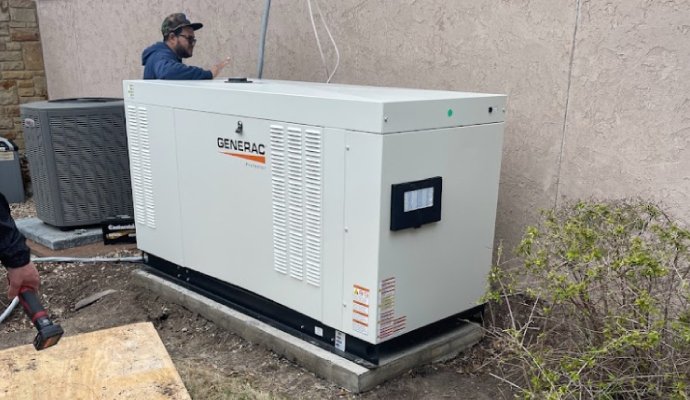
What they are: Permanently installed outside your home, much like an AC unit. They're wired directly into your electrical system via an automatic transfer switch (ATS) and typically run on natural gas or propane from a dedicated tank.
Pros:
- Automatic Operation: Detects an outage, starts automatically, and switches power to your home in seconds, even if you're not home.
- Seamless Power: Provides continuous power for extended periods without refueling.
- Whole-Home or Extensive Partial Backup: Can power a large portion or even your entire home.
- Fuel Source: Connects to your home's natural gas line (no refueling) or a large propane tank.
- Quiet Operation: Generally much quieter than portable units.
- Increased Home Value: A significant amenity, especially in storm-prone regions.
Cons: - Higher Upfront Cost: Installation is complex and requires significant investment.
- Fixed Location: Not portable; dedicated solely to your home.
- Professional Installation Required: Mandates licensed electricians and gas plumbers for safe and code-compliant setup.
- Maintenance: Requires routine professional service to ensure reliability (inspections, testing, fuel checks).
Best for: Homeowners in storm-prone areas, those who experience frequent or long outages, individuals with critical medical equipment, or anyone desiring maximum convenience and peace of mind with minimal effort. If you're looking to upgrade your home's resilience, you might want to Explore our generator deals for standby options.
Step 3: What Matters Most? Essential Features to Look For
Beyond basic power output, certain features dramatically enhance a generator's usability, safety, and protection for your home.
Automatic Transfer Switch (ATS)
For standby generators, an ATS is non-negotiable. This smart switch constantly monitors incoming utility power. When an outage occurs, it automatically disconnects your home from the utility grid, starts the generator, and transfers the electrical load. When utility power returns, it reverses the process. This ensures:
- Safety: Prevents dangerous "backfeeding" of power onto the utility lines, protecting linemen.
- Convenience: Hands-free operation; you don't have to do anything.
- Seamless Transition: Minimizes disruption.
Some portable generators can also connect to a manual transfer switch installed by an electrician, offering a safer way to power specific circuits without running multiple extension cords.
Remote Monitoring & Smart Tech
Many modern generators, especially standby units, come with Wi-Fi or cellular connectivity. This allows you to:
- Monitor Status: Check fuel levels, run times, and maintenance alerts from your smartphone, even when you're away from home.
- Receive Alerts: Get notifications for power outages, transfer events, or system issues.
- Test Remotely: Initiate weekly exercise tests from anywhere.
This feature is invaluable for busy homeowners or those who travel frequently.
Quiet Operation
A generator's noise level is measured in decibels (dB). A running generator can be quite loud, comparable to a lawnmower or even a jet engine for some older or industrial models.
- Standby generators are typically designed with advanced enclosures and mufflers for quieter operation (often in the 60-70 dB range, similar to a vacuum cleaner).
- Inverter portable generators are much quieter than conventional portables due to their variable engine speed, making them excellent for camping or residential use where noise is a concern.
Always check the decibel rating and consider your neighbors, especially if you live in a dense residential area. Local noise ordinances may also apply.
Fuel Type Considerations
While we touched on this in generator types, it's worth a deeper dive:
- Gasoline: Common for portables. Easy to find but has a short shelf life, requires regular stabilization, and refilling can be cumbersome during long outages.
- Propane (LP): Available in tanks (for portables and smaller standbys) or large permanent tanks (for standbys). Cleaner burning than gasoline, longer shelf life, but large tanks require professional installation and delivery.
- Natural Gas: The ultimate convenience for standby generators. Directly connected to your home's gas line, offering an unlimited fuel supply without refueling worries. However, natural gas lines can be vulnerable during earthquakes or floods.
- Diesel: Primarily for very large commercial or industrial generators due to efficiency and long-term storage, less common for residential use.
Your choice often hinges on local availability and personal preference for convenience versus upfront cost.
Power Quality for Sensitive Electronics (THD)
Not all power is created equal. Standard generators produce "dirty" power with high Total Harmonic Distortion (THD), which can damage sensitive electronics like computers, smart TVs, and home networking equipment.
- Inverter generators (a type of portable) produce exceptionally clean power (low THD, typically <3%) safe for all electronics.
- Many standby generators are also designed to produce clean power, but it's crucial to confirm this specification (look for <5% THD).
A properly sized generator, with stable voltage and frequency, delivers clean, stable power to protect devices like laptops, home networking equipment, smart home systems, and charging stations from damage during startup and load changes. If you plan to power anything with a microchip, this is a must-ask feature.
Step 4: Full House or Critical Core? Determining Your Backup Coverage
This decision directly impacts generator size, fuel usage, and overall cost. You have two main approaches:
Whole-Home Backup: The Ultimate Convenience
What it is: A generator system designed to power most, if not all, of your home's circuits, just as if the utility power never went out. This means lights, HVAC, kitchen appliances, and even luxury items can continue running without interruption.
Pros:
- Maximum Comfort & Convenience: No need to prioritize or manage loads.
- Seamless Living: Minimal disruption to daily routines.
- Highest Resale Value: A significant selling point for your home.
Cons: - Largest & Most Expensive: Requires the largest generator and most extensive installation.
- Higher Fuel Consumption: Powers more circuits, thus burning more fuel.
- Requires Careful Load Calculation: Absolutely essential to avoid oversizing or undersizing.
Best for: Homeowners who want complete peace of mind, have a substantial budget, or require continuous power for medical or business needs.
Partial Home Backup: Strategic Protection
What it is: Focuses on powering only the most essential, critical loads in your home. This might include your refrigerator, well pump, furnace fan, a few lights, and essential communication devices.
Pros:
- More Affordable: Allows for a smaller, less expensive generator and simpler installation.
- Lower Fuel Consumption: Only powers what's necessary, conserving fuel.
- Strong Protection for Essentials: Ensures your most vital systems remain operational.
Cons: - Requires Load Management: You'll need to be mindful of what you're using simultaneously to avoid overloading.
- Reduced Comfort: Some non-essential appliances or areas of your home may remain without power.
Best for: Homeowners seeking a balance between cost and protection, those with more frequent but shorter outages, or anyone who can tolerate some inconveniences for greater affordability.
Beyond the Basics: Crucial Considerations for Your Generator Project
Choosing the right generator isn't just about kilowatts and features; it's also about how the system integrates with your property and your life.
Protecting Your Precious Electronics
As noted before, clean power is paramount. But beyond the generator itself, consider surge protection for individual devices and a whole-home surge protector installed at your electrical panel. This additional layer of defense helps safeguard against power fluctuations that can occur during transfer events or utility restoral. A properly sized generator delivers clean, stable power to protect devices like computers, laptops, home networking equipment, smart home systems, and charging stations from damage during startup and load changes.
Navigating Site-Specific Realities
Your property's unique characteristics play a significant role in generator selection and placement:
- Available Space: Standby generators require a concrete pad and clearance around them for ventilation and maintenance. Portable generators need a safe, outdoor operating space away from windows and doors.
- Local Code Requirements: Zoning laws, noise ordinances, and electrical/gas codes vary by municipality. Your chosen installer will be familiar with these, but it's good to be aware. For example, some areas have specific setbacks from property lines or windows.
- Noise Considerations: While standby generators are generally quieter, their placement relative to bedrooms, neighboring properties, and outdoor living spaces is important.
- Ventilation and Exhaust Routing: Generators produce exhaust fumes, including carbon monoxide. Proper ventilation is critical for safety, and exhaust must be routed away from inhabited areas.
Professional installers, like the experts at SMART Electric, Heating & Air for homeowners in the Greater Seattle area, will conduct a thorough site assessment to ensure compliance and optimal placement.
The Lifeline of Professional Installation and Ongoing Service
This is perhaps the most overlooked, yet critical, aspect of generator ownership.
- Expert Sizing & Installation: Generator sizing goes hand-in-hand with professional installation. A licensed electrician will ensure your generator is correctly integrated into your home's electrical system, meets all local codes, and operates safely. This isn't a DIY project for your main power panel.
- System Longevity & Reliability: Generators are complex machines. Like a car, they need regular tune-ups. Routine service, including inspections, testing, and fuel checks, is critical for extending system life and ensuring it will start reliably when you need it most. Many manufacturers require professional maintenance for warranty validation.
Think of your generator as an emergency life support system for your home. You wouldn't trust just anyone to install or maintain that.
Your Next Steps to Power Security
Choosing the right generator for your home is an investment in comfort, safety, and peace of mind. It’s a decision that, when made correctly, will serve you faithfully for years to come.
- Create Your Essential Appliance List: Be honest about your "must-haves" versus "nice-to-haves" during an outage.
- Contact a Licensed Electrician: Schedule a professional load calculation and site assessment. This is the single most important step for accurate sizing and safe installation.
- Discuss Your Options: Talk through portable versus standby, whole-home versus partial backup, and essential features with your installer.
- Budget and Plan: Factor in not just the generator's cost, but also installation, fuel hook-ups, and ongoing maintenance.
With careful planning and professional guidance, you can transform the daunting thought of a power outage into a minor blip, knowing your home and family are secure.